


- Vibrant energy and luckywave redefine coastal living experiences today
- The Architectural Evolution of Seaside Sanctuaries
- Integrating Biomimicry in Coastal Layouts
- Sustainable Practices for Long Term Coastal Viability
- The Role of Renewable Energy in Marine Environments
- Psychological Impact of Water Proximity and Design
- Optimizing Light for Circadian Rhythm Balance
- Social Dynamics in Modern Shoreline Communities
- The Convergence of Wellness and Coastal Living
- Future Horizons for Coastal Urbanism
- The Integration of Artificial Intelligence in Home Management
- New Perspectives on Fluid Habitation
Vibrant energy and luckywave redefine coastal living experiences today
thought
The intersection of modern architecture and natural serenity has created a new paradigm for those seeking a balanced life by the sea. This movement emphasizes the integration of fluid organic shapes with high-performance sustainable materials, allowing residents to feel a deep connection to the water while enjoying urban luxuries. Within this context, the concept of luckywave represents a shift toward mindful living where the rhythm of the tides dictates the pace of daily activities. By prioritizing openness and light, these coastal developments foster an environment that reduces stress and encourages a more intuitive way of interacting with the surrounding environment.
Coastal living is no longer just about owning a beachfront property but about embracing a philosophy of ecological stewardship and personal wellness. The evolution of these spaces reflects a growing desire to escape the rigid structures of city life in favor of expansive vistas and breathable layouts. Architects are now utilizing advanced glass technologies and reclaimed hardwoods to create structures that breathe and evolve with the seasons. This approach ensures that every dwelling is not merely a shelter but a sanctuary that enhances the mental and physical health of its occupants through constant exposure to natural elements.
The Architectural Evolution of Seaside Sanctuaries
Modern coastal design has transitioned from simple vacation cottages to sophisticated estates that challenge traditional notions of spatial organization. The focus has shifted toward transparency, where the boundaries between the interior and the external landscape are blurred through the use of floor-to-ceiling glass walls and seamless transitions. These structures are often elevated to protect against rising sea levels while providing unparalleled views of the horizon, creating a sense of floating above the shoreline. The use of neutral palettes and raw textures allows the vibrant colors of the ocean and sky to become the primary decor of the home.
Integrating Biomimicry in Coastal Layouts
Biomimicry plays a pivotal role in the current design trend, where buildings mimic the curves and patterns found in nature to improve aerodynamics and energy efficiency. By studying the way wind moves across the sand and water, architects can create shapes that naturally ventilate the home, reducing the reliance on mechanical cooling systems. This biological approach not only lowers the carbon footprint of the building but also creates a more organic feeling for the residents, as the architecture feels like an extension of the beach itself.
| Design Element | Traditional Approach | Modern Organic Approach |
|---|---|---|
| Window Placement | Symmetrical and Fixed | Dynamic and Panoramic |
| Material Choice | Standard Concrete/Brick | Cross-Laminated Timber/Recycled Glass |
| Energy Source | Grid Dependence | Solar and Kinetic Integration |
| Spatial Flow | Compartmentalized Rooms | Open-Concept Fluidity |
The application of these advanced techniques results in a living space that feels alive and responsive to its surroundings. When a home is designed to breathe with the ocean, the psychological impact on the inhabitant is profound, leading to lower cortisol levels and an increased sense of peace. The integration of water features, such as infinity pools that blend into the sea, further enhances this connection, making the transition from the man-made environment to the wild coast almost invisible.
Sustainable Practices for Long Term Coastal Viability
Sustainability is the cornerstone of the new coastal movement, moving beyond simple recycling to a holistic cycle of regeneration. Developers are now implementing closed-loop water systems that treat greywater on-site, ensuring that no pollutants enter the delicate marine ecosystem. Additionally, the use of permeable paving materials prevents runoff and allows rainwater to seep back into the ground, maintaining the natural hydrology of the sandy terrain. This commitment to the environment ensures that the beauty of the coast is preserved for future generations while providing a resilient infrastructure for current residents.
The Role of Renewable Energy in Marine Environments
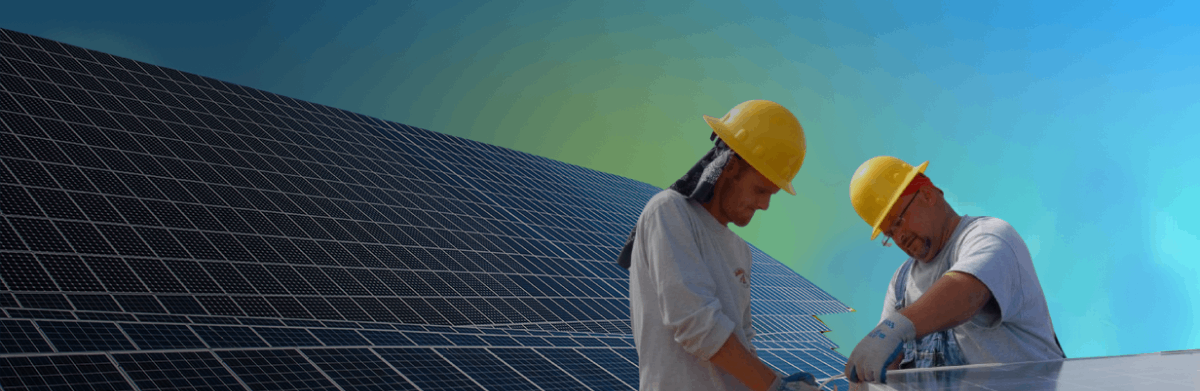
Harnessing the power of the sun and wind is essential for achieving true autonomy in seaside living. Many new developments incorporate transparent solar cells into their windows, allowing them to generate electricity without sacrificing the view. Wind turbines, designed to be silent and aesthetically unobtrusive, are often placed in strategic corridors to capture the constant sea breeze. These energy solutions not only provide power but also reduce the operational costs of maintaining a large home in a harsh salt-air environment.
- Installation of high-efficiency heat pumps for climate control.
- Use of salt-resistant coatings on all exterior metal surfaces.
- Implementation of smart grids to optimize energy distribution.
- Integration of rainwater harvesting tanks for landscaping needs.
By adopting these technologies, coastal living becomes a model for sustainable urbanism that can be replicated in other sensitive environments. The shift toward a self-sufficient lifestyle encourages residents to be more aware of their resource consumption and to appreciate the fragility of the coastal belt. As these practices become standard, the gap between luxury living and ecological responsibility closes, proving that high-end aesthetics can coexist with a deep commitment to planetary health.
Psychological Impact of Water Proximity and Design
The proximity to moving water has a scientifically documented effect on human cognition and emotional stability, often referred to as the blue mind effect. The rhythmic sound of the ocean promotes a meditative state, slowing down heart rates and clearing the mind of urban clutter. When the architectural design maximizes this exposure, the home becomes a tool for mental health, providing a constant source of calm and reflection. This is why open terraces and sprawling decks are prioritized, as they offer the resident a place to engage with the elements without leaving their private sanctuary.
Optimizing Light for Circadian Rhythm Balance
Natural light is managed with precision in these homes to align with the human circadian rhythm, which is often disrupted in city environments. Large skylights and strategic window placements ensure that residents receive ample morning sunlight, which triggers the release of serotonin and boosts mood. During the evening, the design focuses on soft, indirect lighting that mimics the sunset, preparing the body for a deep and restorative sleep. This intentional management of light and shadow helps in regulating sleep patterns and improving overall cognitive function.
- Analyze the path of the sun throughout the different seasons.
- Position primary living areas to capture maximum eastern light.
- Install automated shading systems to prevent midday overheating.
- Create a dedicated darkness zone in bedrooms for optimal melatonin production.
The synergy between light and water creates a sensory experience that is both grounding and uplifting. When the reflection of the sea dances on the ceiling of a room, it creates a dynamic visual environment that keeps the mind engaged yet relaxed. This fluid atmosphere is a key component of the modern coastal experience, where the home is not a static box but a living canvas that changes every hour of the day based on the position of the sun and the state of the tide.
Social Dynamics in Modern Shoreline Communities
The shift toward more open and integrated coastal living is also changing how people interact within their communities. Instead of high walls and gated isolation, there is a trend toward shared green spaces and communal walkways that encourage social fluidity. These shared areas are designed to be low-impact, using native plantings that provide habitats for local wildlife while offering a serene place for neighbors to gather. This fosters a sense of collective responsibility for the shoreline, as residents work together to keep the beaches clean and the ecosystems healthy.
Furthermore, the rise of remote work has accelerated the migration of professionals to these coastal regions, bringing a new diversity of skills and perspectives to the area. This influx of creative energy is leading to the development of co-working hubs that are integrated into the landscape, allowing people to be productive while remaining connected to nature. The balance between professional ambition and the slow pace of coastal life creates a unique social fabric where productivity is measured not just by output, but by the quality of life and the depth of personal relationships.
The Convergence of Wellness and Coastal Living
Wellness centers are becoming integral parts of these shoreline developments, offering holistic treatments that utilize the natural environment. From open-air yoga pavilions to saltwater therapy pools, these facilities capitalize on the curative properties of the sea. The focus is on preventative health, encouraging residents to engage in daily movement and mindfulness practices that are enhanced by the fresh air and salt spray. This integration of health services into the residential fabric ensures that wellness is not a destination, but a lifestyle.
As people prioritize their mental well-being, the demand for spaces that offer silence and solitude has grown. This has led to the creation of private meditation pods and reading nooks that are tucked away from the main living areas, providing a space for introspection. These quiet zones are essential in a world of constant connectivity, offering a physical boundary where the noise of the digital world is replaced by the sound of the wind and the waves.
Future Horizons for Coastal Urbanism
The future of seaside development lies in the ability to adapt to an ever-changing climate while enhancing the human experience. We are seeing the emergence of floating architecture, where homes are built on modular platforms that can rise and fall with the tide, completely eliminating the risk of flooding. These floating cities will likely incorporate vertical farming and aquatic aquaculture, allowing them to be food-independent and fully integrated into the marine economy. This transition represents a new chapter in human habitation, where we no longer fight the water but learn to live in harmony with its movements.
Technological advancements in materials science will continue to provide new ways to protect homes from the corrosive effects of salt and moisture. Self-healing concrete and bio-plastics derived from seaweed are being tested to create structures that are not only durable but also contribute to the health of the ocean. When a building can actively filter the surrounding water or provide a surface for coral growth, the home becomes a net positive for the planet. This vision of luckywave in the future is one where the act of living is an act of restoration.
The Integration of Artificial Intelligence in Home Management
Artificial intelligence is being woven into the fabric of these homes to manage energy and security with unprecedented precision. Smart systems can predict weather patterns and automatically adjust the home's orientation or shading to maintain a perfect internal temperature. Additionally, AI-driven water management systems can detect leaks in real-time and optimize the use of recycled water based on the current humidity and soil moisture. This invisible layer of technology removes the friction from home ownership, allowing the resident to focus entirely on the experience of the coast.
The synergy between high-tech management and low-impact living creates a paradox that defines the modern era. We use the most advanced tools available to return to a simpler, more natural way of existing. By automating the mundane tasks of home maintenance, we reclaim the time and mental space necessary to appreciate the slow movement of the clouds or the intricate patterns of the sand. This balance is the ultimate goal of the current coastal revolution: using intelligence to facilitate a deeper, more visceral connection to the earth.
New Perspectives on Fluid Habitation
Exploring the potential of amphibious housing reveals a fascinating direction for future urban planning. By designing structures that can transition between land and water, architects are creating a flexible reality where the coastline is no longer a hard border but a soft transition zone. This approach allows for the expansion of living spaces into the ocean without destroying the benthic environment, utilizing floating gardens and underwater observation decks to create a multi-dimensional living experience. This new way of inhabiting the coast changes our perception of land ownership, moving toward a model of fluid stewardship.
The implementation of these concepts is already visible in several boutique projects where the focus is on a symbiotic relationship between the resident and the tide. These projects demonstrate that when we stop trying to conquer the elements and instead align our rhythms with the water, the resulting lifestyle is one of immense abundance and peace. The ongoing evolution of this philosophy suggests that the future of coastal living will be defined by a willingness to be fluid, adaptable, and profoundly connected to the natural pulses of the planet.
Leave a Reply